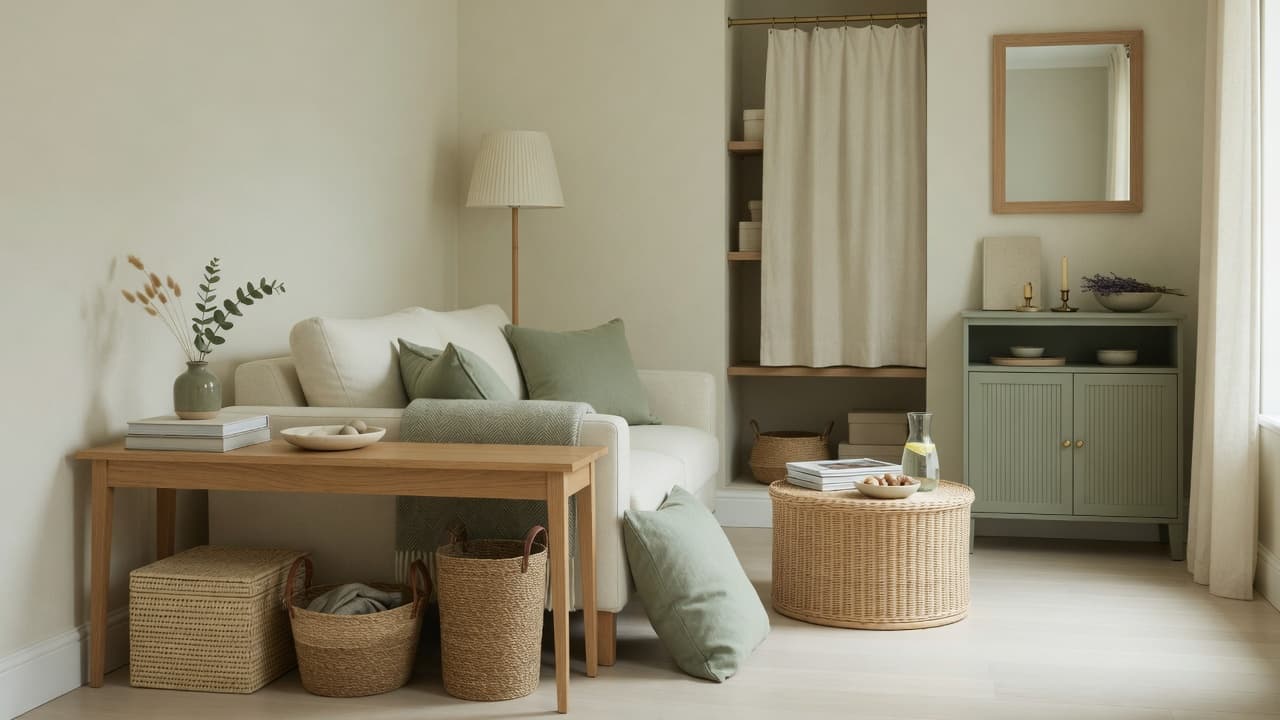
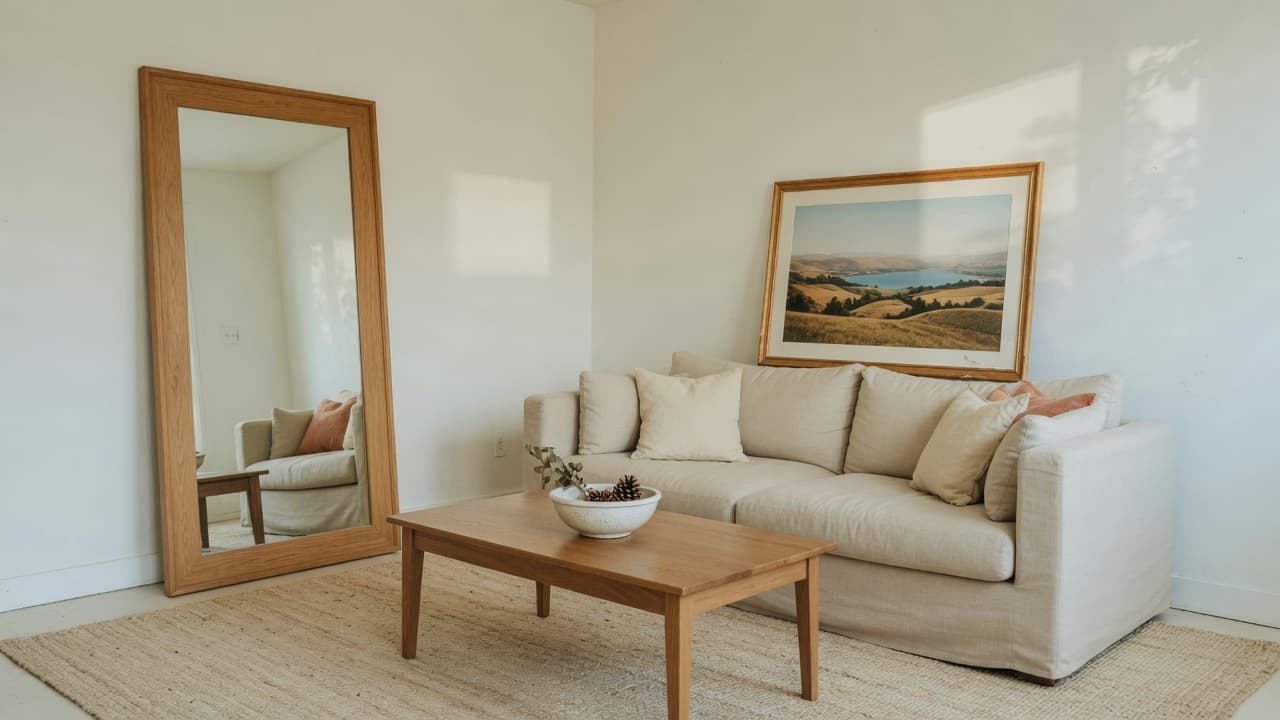
How to Declutter Your Home: The Room-by-Room System That Actually Works
Declutter your home room by room with a proven system: the Four-Box Method, room checklists, a weekend schedule, 15-minute routines, and daily habits that keep clutter from coming back.
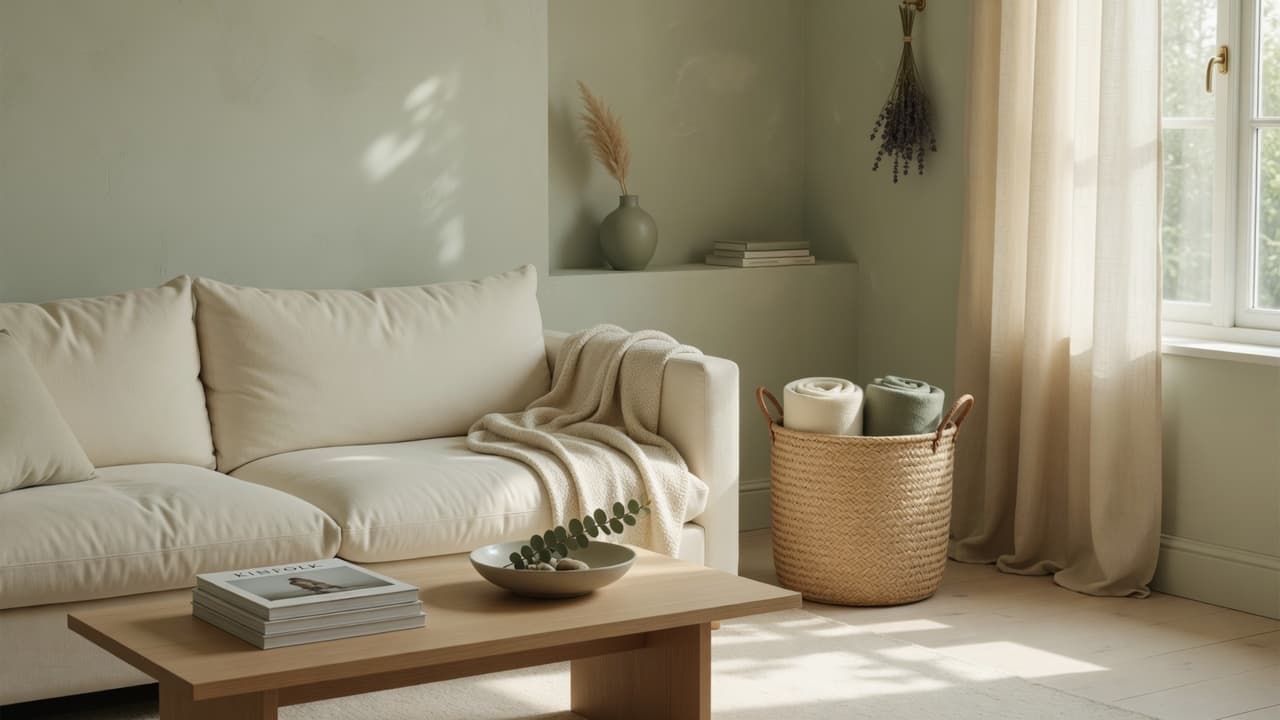
Clutter is not a character flaw. It is usually volume without a system: items without homes, decisions delayed, and exits that never leave the house. Professional organizers do not rely on motivation alone. They use a room-by-room process, clear decision rules, and maintenance habits that fit real life.
This guide shows how to declutter your home with a system that actually works: preparation, the Four-Box Method, room-by-room checklists, a weekend schedule, 15-minute routines, and daily habits that keep spaces clear. Progress beats perfection. Sustainable habits beat a single heroic cleanout.
Why decluttering matters
A lighter home is easier to clean, easier to host in, and easier to think in. Decluttering also makes storage and styling work. Without an edit, more bins only organize the same overwhelm. After you reduce volume, solutions from small apartment storage ideas and calm rooms from how to make your home look expensive on a budget land better.
Preparing before you start
Gather supplies:
- Four large boxes or bags labeled Keep, Donate, Sell, Recycle/Trash
- Trash bags and a marker
- Cleaning cloth and vacuum for the "reset" at the end of each zone
- Water, timer, and a simple playlist
Set rules before emotion hits:
- Work in 25 to 50 minute blocks with short breaks
- Finish exit bags: donate leaves within 48 hours
- Sell pile gets a 7 to 14 day deadline, then donate
- No "maybe" box that lives in the hallway for months
Mindset that helps:
You are not throwing away memories. You are choosing what earns space in your current life.
The Four-Box Method
Use four destinations only:
| Box | Put here if... |
|---|---|
| Keep | You use it, need it, or truly love it, and it has (or will get) a home |
| Donate | Good condition, useful to someone else, you will not miss it |
| Sell | Worth your time and you will list it within a set deadline |
| Recycle / Trash | Broken, expired, unsafe, or not usable |
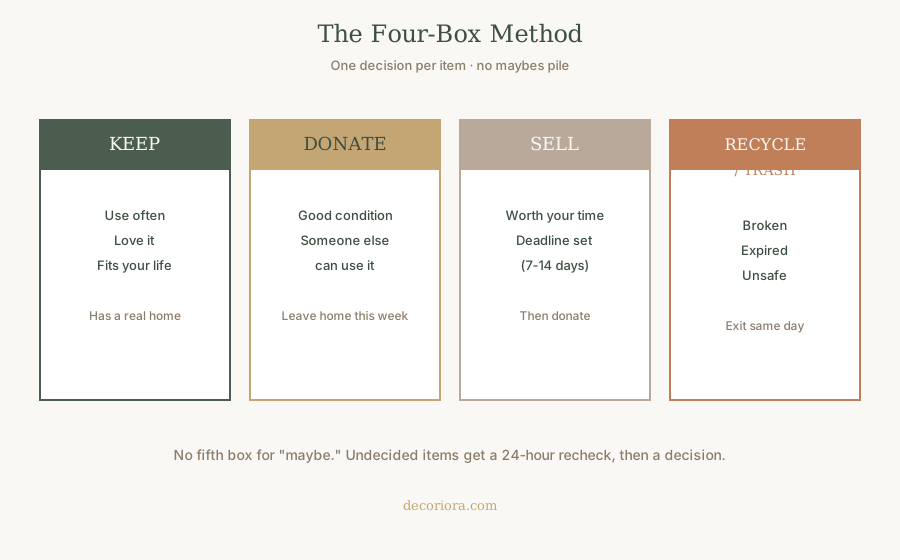
Keep / Donate / Sell / Recycle in practice
When you stall, use a quick decision tree:
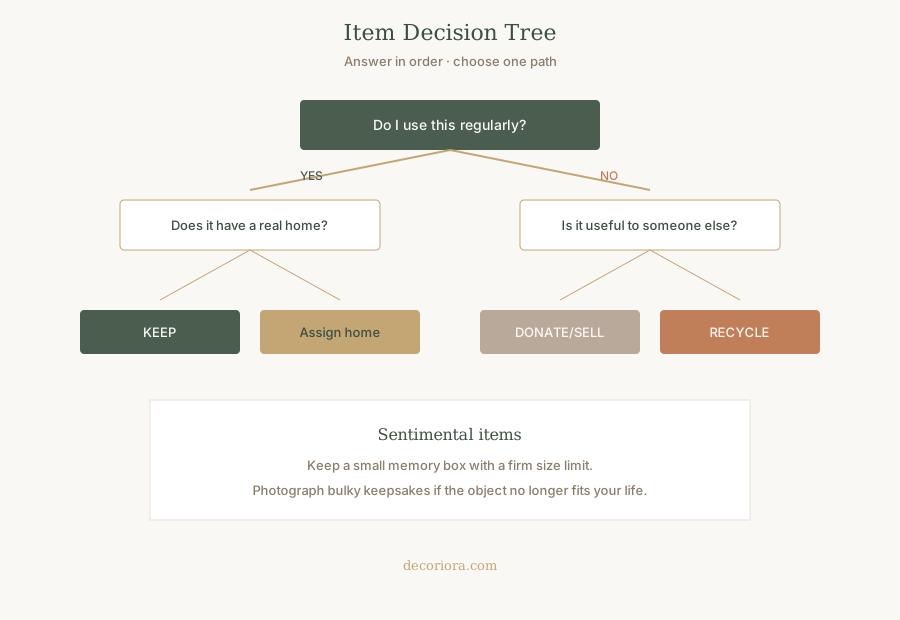
Sentimental items: Keep a memory box with a fixed size. When it is full, something exits before something new enters. Photograph bulky keepsakes if the object no longer fits your life.
Where to start and what room to declutter first
Start where you will see success every day. For most homes:
- Entryway
- Living and dining
- Kitchen, pantry, fridge
- Bathrooms
- Bedrooms and closets
- Kids' rooms and office
- Laundry
- Garage and storage
Avoid starting with the garage or sentimental storage if those spaces usually stall you.
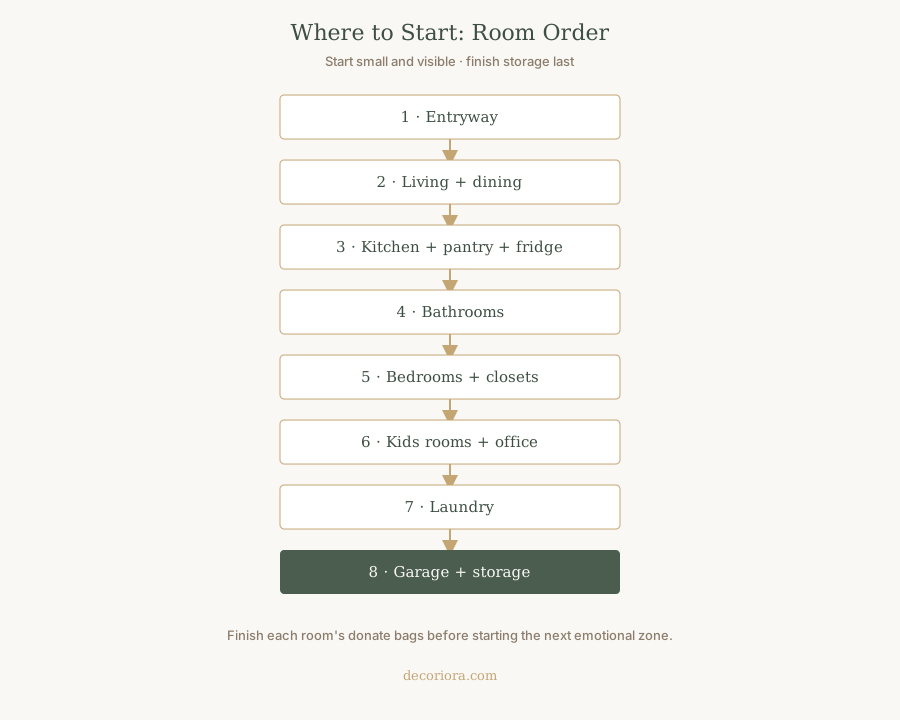
Room-by-room decluttering checklist
Work one room (or one category inside a room) to completion before hopping.
Entryway
Goal: Stop clutter at the door.
- Limit shoes at the door (store extras elsewhere)
- Edit coats and bags to current season
- Create a tray for keys and wallet
- Process mail the day it arrives (recycle, action, file)
- Remove dead plants, broken umbrellas, orphan gloves
Living room
Goal: Surfaces you can set a glass on.
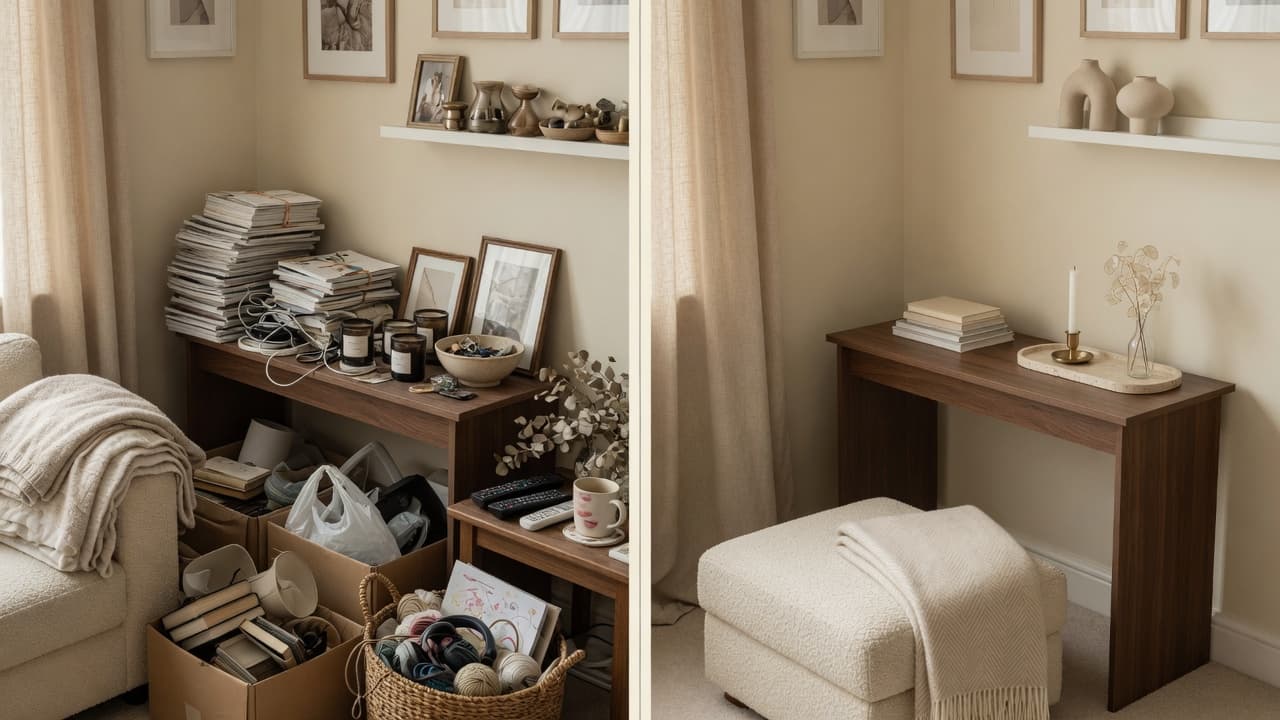
- Clear coffee table and side tables completely, then return 3 to 5 intentional items
- Edit shelves: books you read or love, not every free volume
- Corral remotes and cables
- Remove decor you no longer notice or like
- Donate or store excess throws and pillows
Calm living rooms also benefit from layout clarity in how to arrange living room furniture and fewer visual mistakes from home decorating mistakes that make a home look cheap.
Dining room
Goal: A table that can host without a 20-minute clear-off.
- Clear the table daily as policy
- Edit serving pieces to what you actually use
- Reduce placemat and napkin overflow
- Move homework and projects to a defined office zone
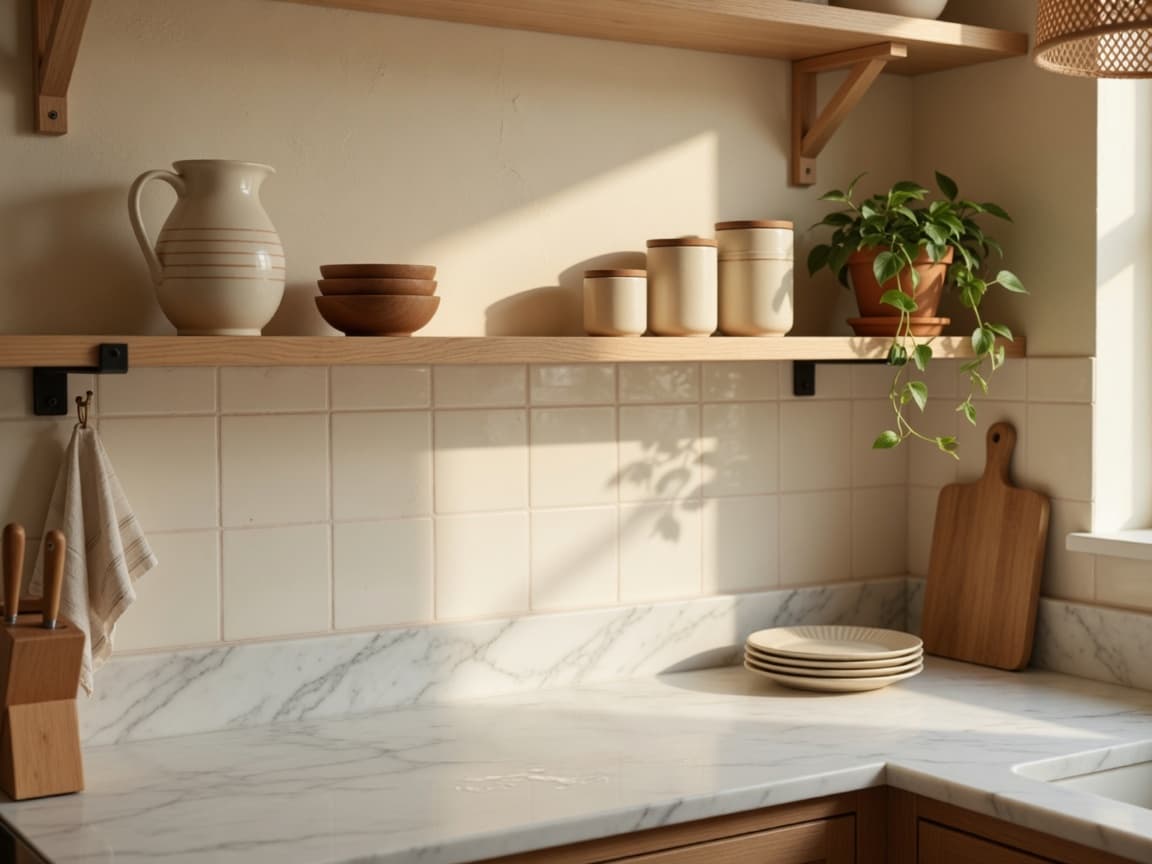
Kitchen
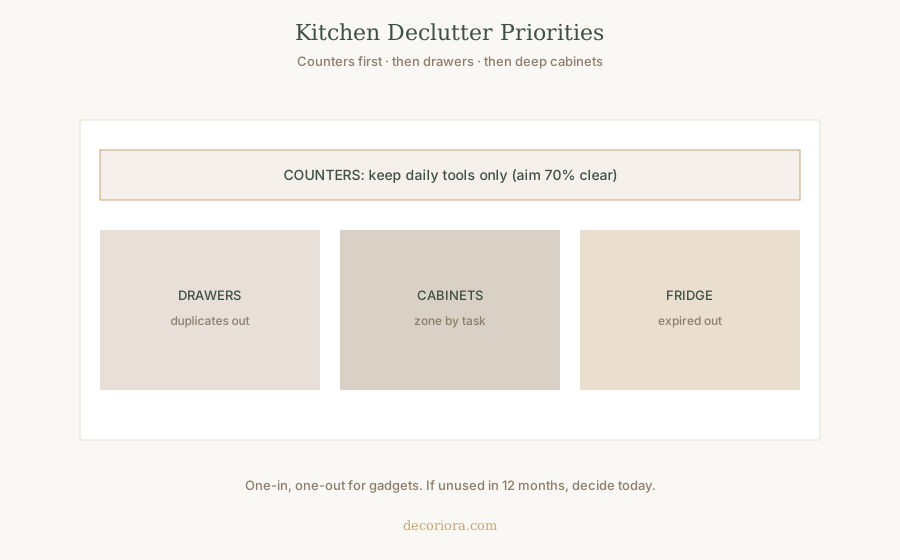
Goal: Clear counters and honest drawers.
- Counters first: only daily tools stay out
- Drawer by drawer: duplicates of utensils and gadgets
- Cabinets: zone by task (prep, cook, serve, clean)
- One-in, one-out for appliances
- Lids must match containers or exit
Pantry
Goal: Food you can see and will eat.
- Check expirations
- Combine duplicates
- Group categories (breakfast, snacks, cans, baking)
- Face labels forward
- Donate unopened food your household will not use (follow local food bank rules)
Refrigerator
Goal: Safe food and less waste.
- Empty one shelf at a time
- Discard expired sauces and mystery leftovers
- Wipe shelves as you go
- Set a leftovers rule (for example, eat or freeze within 3 days)
- Keep a clear "eat first" zone
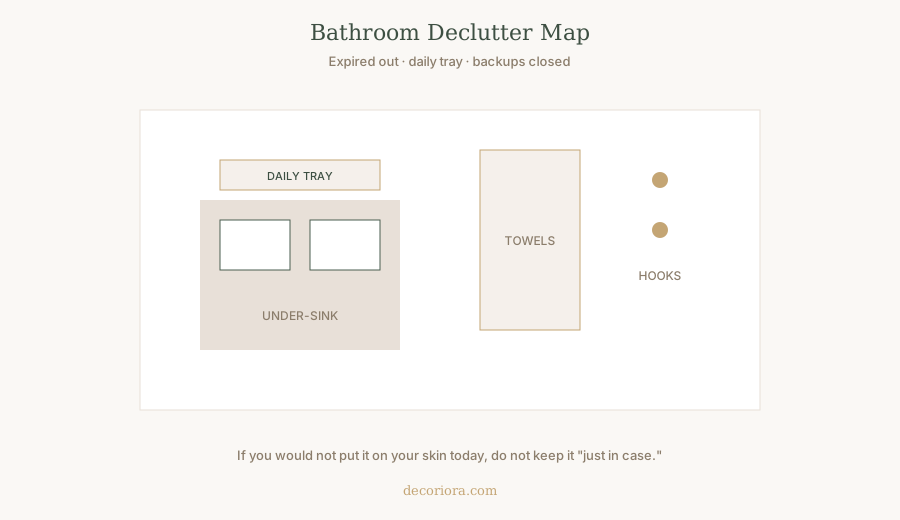
Bathroom
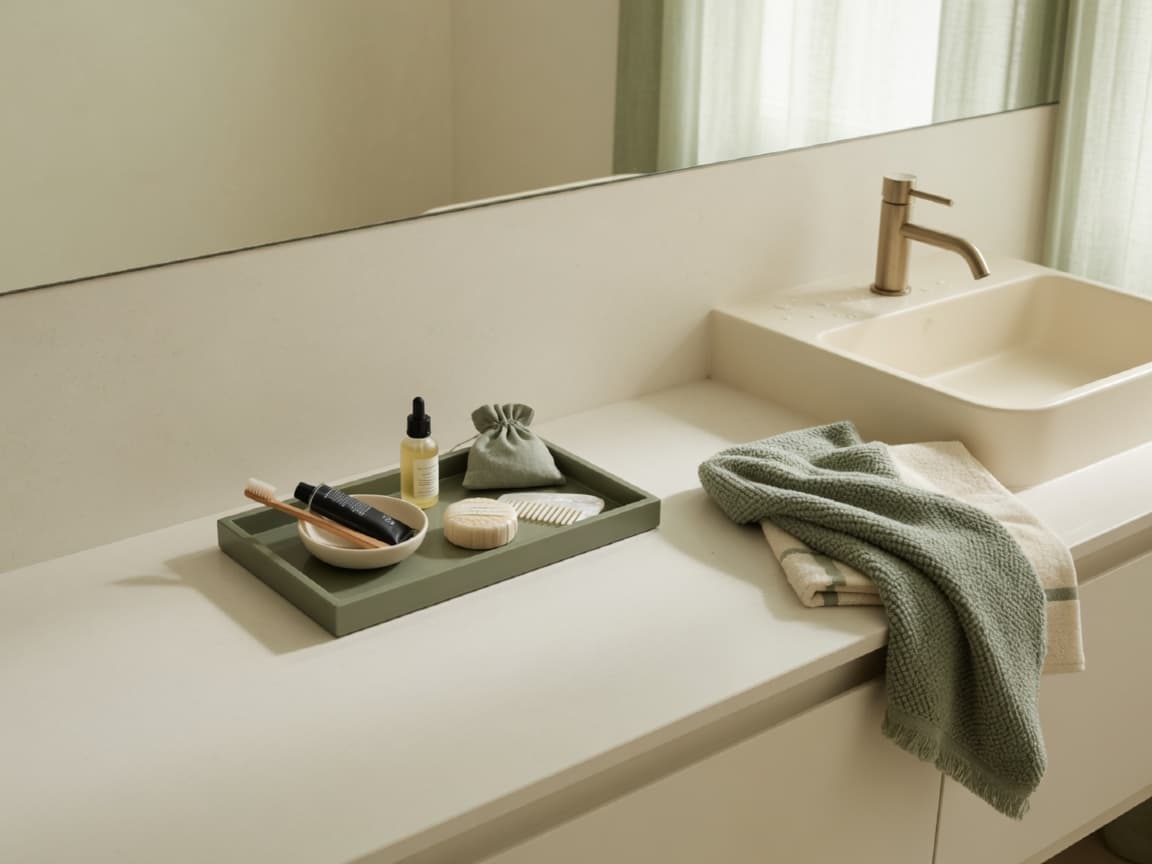
Goal: Daily tray only; backups closed.
- Toss expired sunscreen, makeup, and medicine (dispose safely)
- Limit products to what you use in a normal week
- Under-sink: bins for backups and cleaning
- Towels: keep what you rotate; donate extras
- Empty counters except one tray
Bedroom
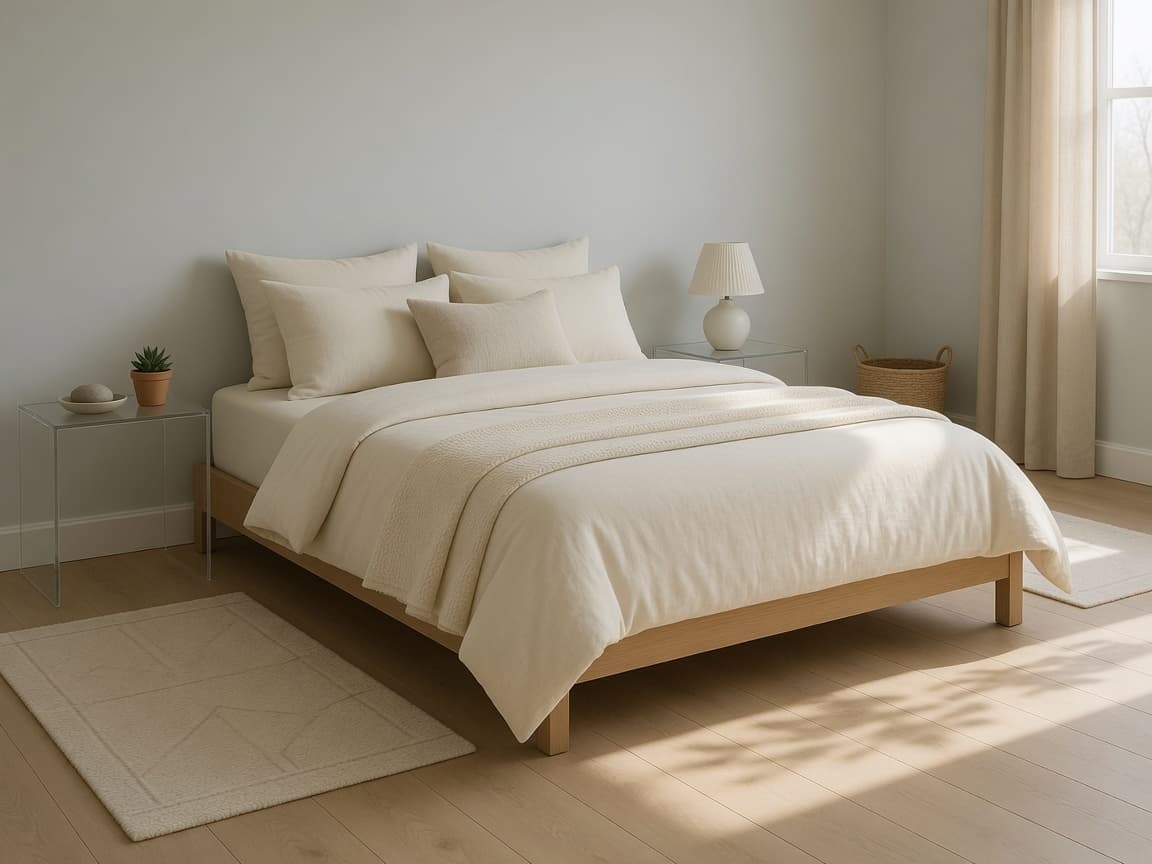
Goal: A room that supports rest.
- Nightstands: lamp, book, water; nothing else permanent
- Floors clear for easy cleaning
- Laundry in a hamper, not a chair
- Under-bed: only contained, labeled storage
- Surfaces reset every evening
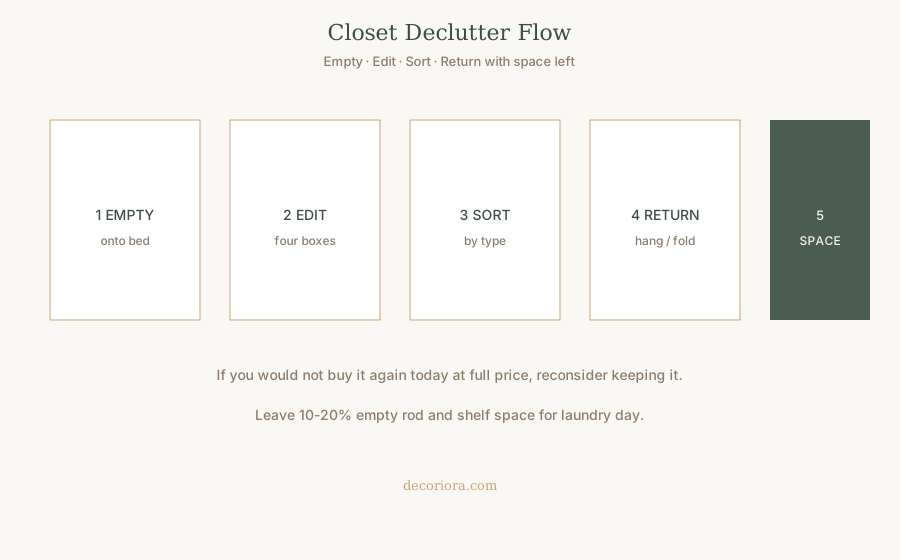
Closet
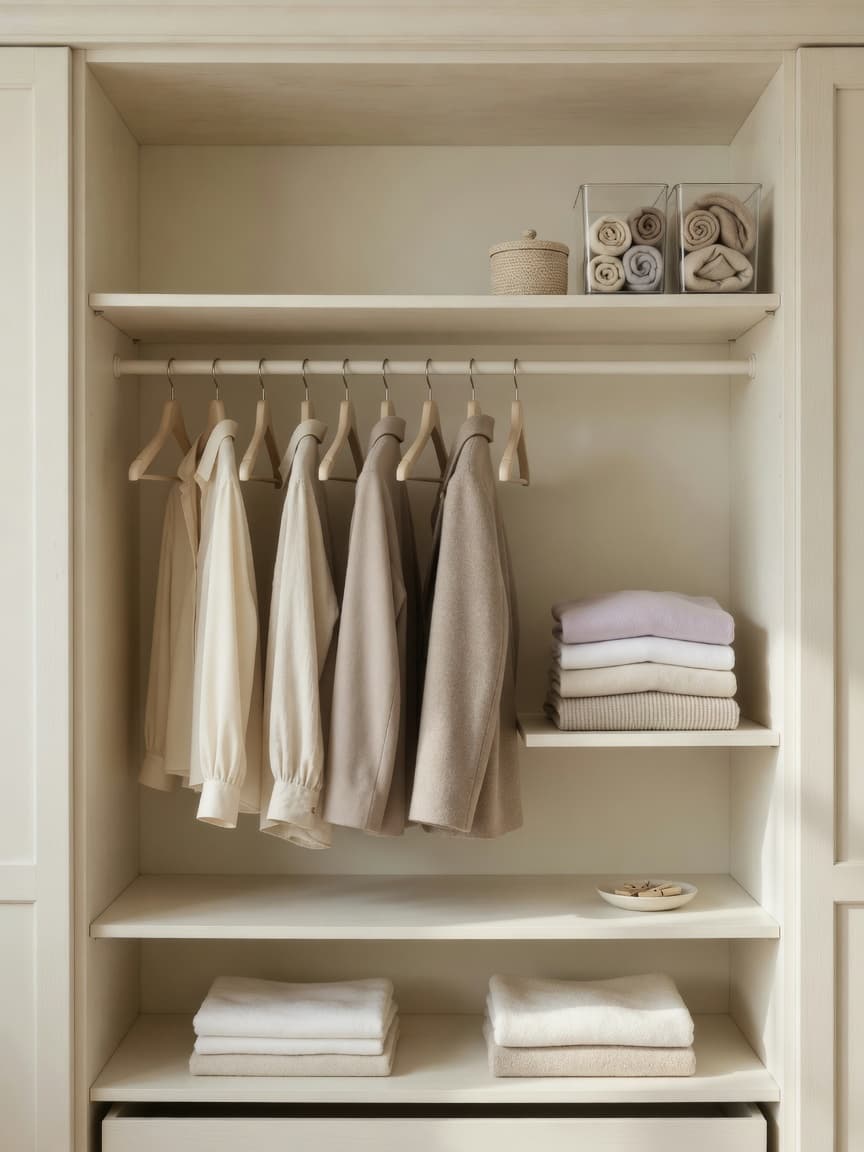
Goal: Clothes you wear, with space to breathe.
- Empty one section onto the bed
- Edit with the four boxes
- Sort by type
- Return hang and fold
- Leave 10 to 20% empty rod and shelf space
If you would not buy it again today, reconsider keeping it.
Kids' room
Goal: Rotation over accumulation.
- Sort toys with kids when possible (they learn the system)
- Donate gently used toys in good condition
- Rotate toys: out of sight bin reduces interest
- Clothes: size-out seasonally
- Art: display a few pieces; photograph and release the rest
Home office
Goal: A clear desk and trusted paper system.
- Desktop clear except daily tools
- Papers: trash, action, file (no mystery stacks)
- Cables: one cord per device when possible
- Supplies: one set of basics; donate extras
- Digital note: decluttering the desk is easier when downloads get a monthly purge too
Laundry room
Goal: Products and a landing zone, not a junk room.
- Limit detergent and tools to what you use
- Lost clothes: reclaim or donate within a set date
- Folding surface kept clear
- Lint and empty hangers managed weekly
Garage (if applicable)
Goal: Zones and safety, not a second attic of delayed decisions.
- Safety first: chemicals, tools, and walkways
- Sort by category (sports, tools, seasonal, car)
- Bulk donate early to create space
- Vertical racks for what you keep
- Dead electronics: e-waste recycling, not a "someday" pile
Storage areas
Goal: Labeled, finite, reviewed.
- Open every unlabeled box
- Keep only what has a future use date
- Label every bin on the end facing out
- Seasonal rotation twice a year
- If you forgot you owned it for two years, question the keep
For compact homes, pair this edit with small apartment storage ideas and small apartment decorating ideas so space stays both open and functional.
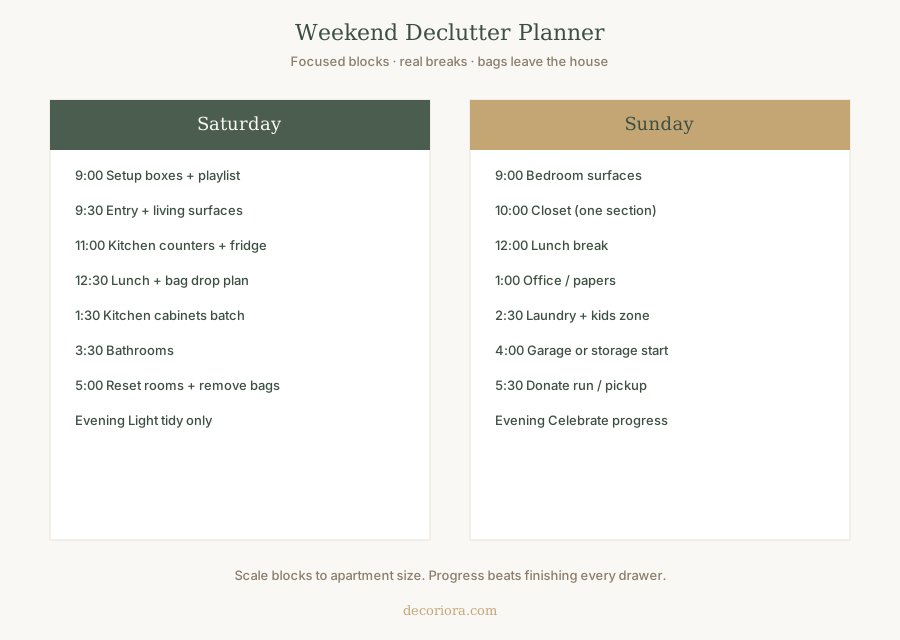
Weekend decluttering schedule
Use this as a template. Scale to apartment size. The full timed system lives in The Weekend Declutter Blueprint if you want a complete 48-hour plan with trackers.
The 15-minute decluttering routine
When you only have a quarter hour:
- Set a timer for 15 minutes
- Pick one surface or one drawer
- Use four boxes (or two bags: keep / exit)
- Wipe the surface
- Carry exit items to the car or donation corner immediately
Repeat daily and you will outpace accumulation.
Daily maintenance habits
Decluttering sticks when habits are small.
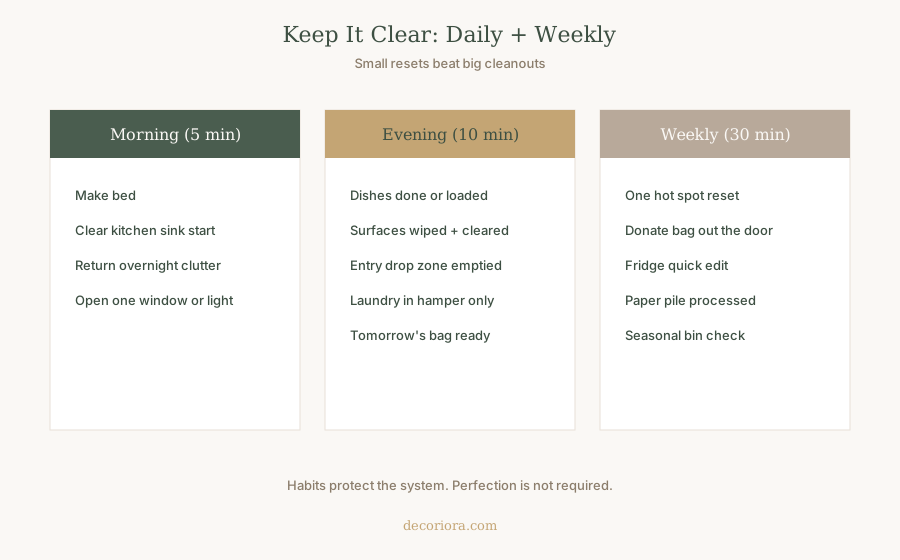
Non-negotiables for most households:
- Evening 10-minute reset of kitchen and living surfaces
- Mail sorted the day it arrives
- Laundry has one home (hamper), not every chair
- One standing donate bag by the exit
Seasonal decluttering checklist
Spring / Fall (about 1 to 2 hours per zone):
- Closet seasonal swap and edit
- Bedding and towels count
- Pantry and fridge deep check
- Kids' clothes size-out
- Garage / under-bed seasonal bins
- Holiday decor edit before storage
Donation ideas that actually leave the house
- Schedule a donation center drop or pickup before you start
- Keep bags in the car trunk the same day
- Food: local pantry rules for unopened goods
- Textiles and housewares: thrift partners you trust
- Electronics: certified e-waste
- Take a photo of donation receipts if you itemize taxes
Unfinished donate piles in the hallway are still clutter.
Common decluttering mistakes
| Mistake | Why it fails | Better approach |
|---|---|---|
| Starting with sentimental storage | Emotional stall | Start visible and easy |
| Buying bins first | Organizes excess | Edit, then contain |
| "Maybe" piles | Decisions deferred | Four boxes only |
| Donate bags that never leave | Clutter relocates | 48-hour exit rule |
| Doing the whole house in one day | Burnout | Timed rooms and breaks |
| No homes for kept items | Clutter returns | Assign homes same day |
| Skipping maintenance | Relapse | Evening reset habit |
Professional organizer tips
- Category over chaos: Finish "all mugs" before "all drawers" when kitchens overwhelm you.
- Body doubling: Work with a friend or family member for momentum.
- Visible progress: Always end a session by clearing a surface and removing bags.
- Good enough: A functional 80% is better than a perfect plan that never starts.
- After the edit: Storage systems from the Small Apartment Organization Bible and renter-safe setups from the Renter-Friendly Home Decor Guide help kept items stay put.
Successful decluttering is about building sustainable habits rather than achieving perfection.
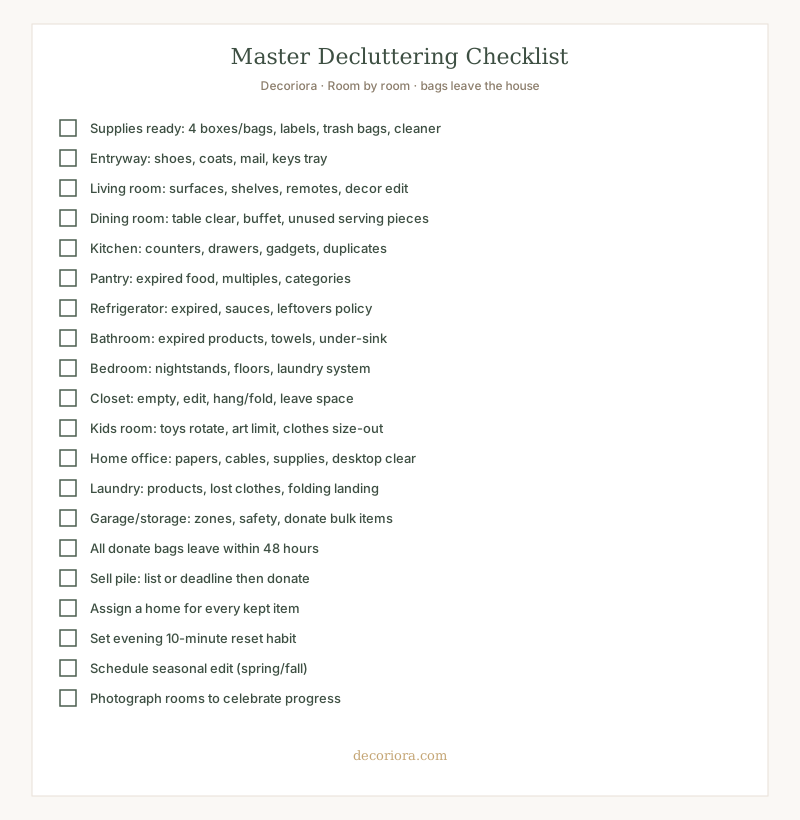
Printable master checklist
Save or print this master list and check off rooms as exit bags leave.
Putting it all together
To declutter your home in a way that lasts:
- Prepare supplies and rules
- Use the Four-Box Method
- Follow a sensible room order
- Finish exits (donate, trash, sell deadlines)
- Assign homes for everything you keep
- Protect the work with daily and seasonal habits
If you want a complete timed weekend system with room plans and printables, The Weekend Declutter Blueprint is built for that focused 48-hour structure. For ongoing compact-home systems after the edit, use the Small Apartment Organization Bible.
From Our Collection
The Weekend Declutter Blueprint
A room-by-room 48-hour system with decision frameworks, schedules, and printable trackers so decluttering becomes a finished project, not a permanent project.
Your home does not need to be empty to feel light. It needs clear decisions, real exits, and small habits you can repeat on ordinary Tuesdays.
Frequently asked questions
How do I declutter my house without getting overwhelmed?
Start with a small visible zone, use the Four-Box Method (keep, donate, sell, recycle/trash), finish one category before starting another, and remove exit bags from the house within 48 hours. Work in timed blocks with breaks instead of trying to finish the entire home in one day.
Where should I start decluttering?
Start with the entryway or another small, visible area you use every day. Quick wins build momentum. Avoid beginning with sentimental storage or the garage if those spaces tend to stall progress.
What room should I declutter first?
Most homes do best starting with the entryway, then living spaces, then kitchen, bathrooms, bedrooms and closets, and finally storage areas. Finish each room's donate bags before moving to emotionally heavier zones.
How do professional organizers declutter a home?
Professionals prepare supplies, sort by category, make binary decisions with a keep/donate/sell/recycle system, assign a home for every kept item, and schedule removal of exit bags. They protect energy with timed sessions and build simple maintenance habits so clutter does not return.
How can I keep my home clutter-free after decluttering?
Use a 10-minute evening reset, process mail daily, follow one-in one-out for categories that pile up, keep a standing donate bag, and schedule seasonal edits. Systems and small habits matter more than a perfect one-time purge.